

Every commercial building in the Northeast is aging. That is not a problem by itself. The problem is what happens when property owners, facility managers, and HOA boards push off concrete and masonry repairs year after year, waiting for a better time that never comes.
Deferred maintenance is one of the most expensive decisions a building owner can make. Not because the initial repair is costly, but because the scope grows every season it sits untouched.
Small Problems Become Big Ones Fast
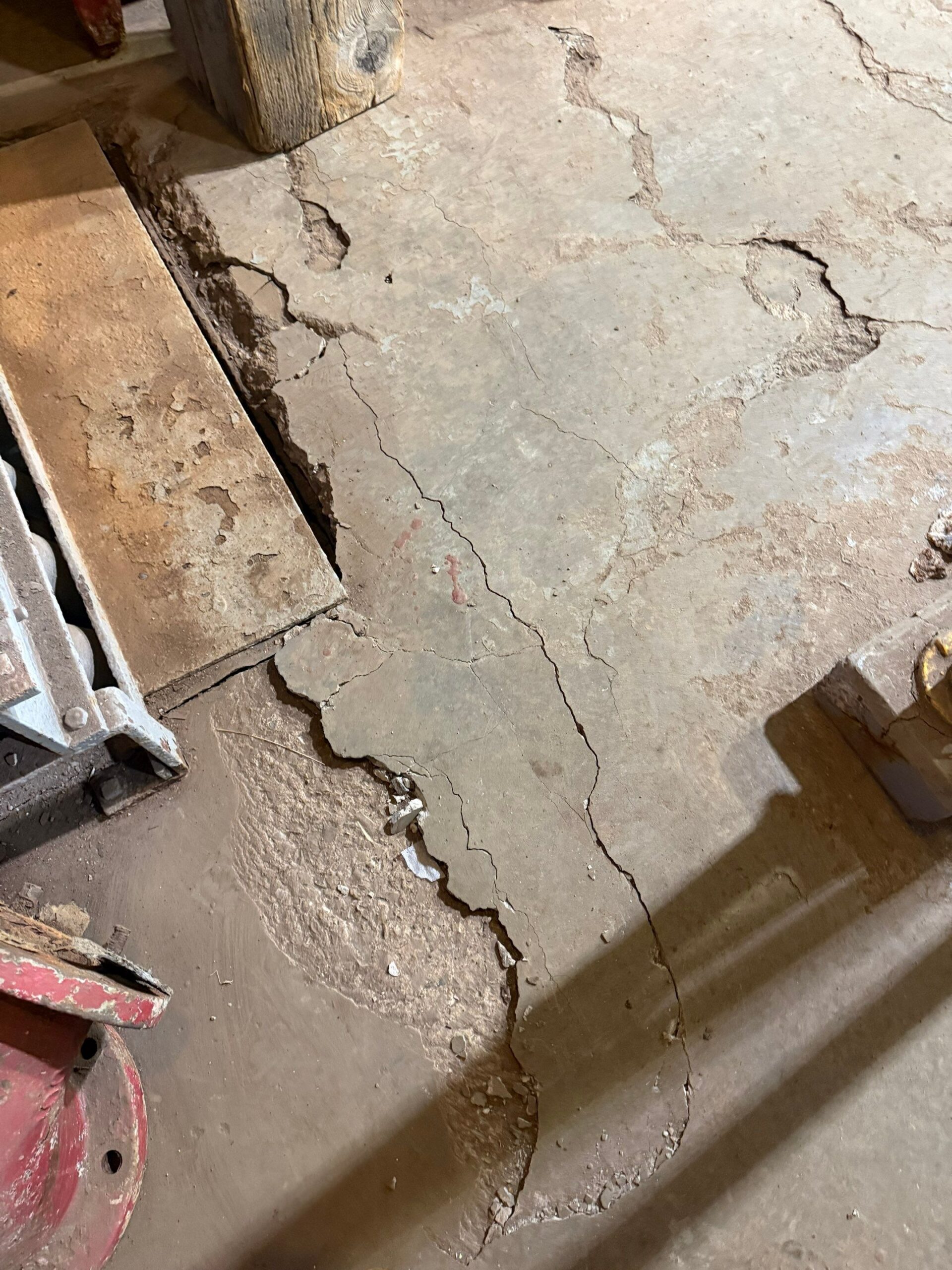
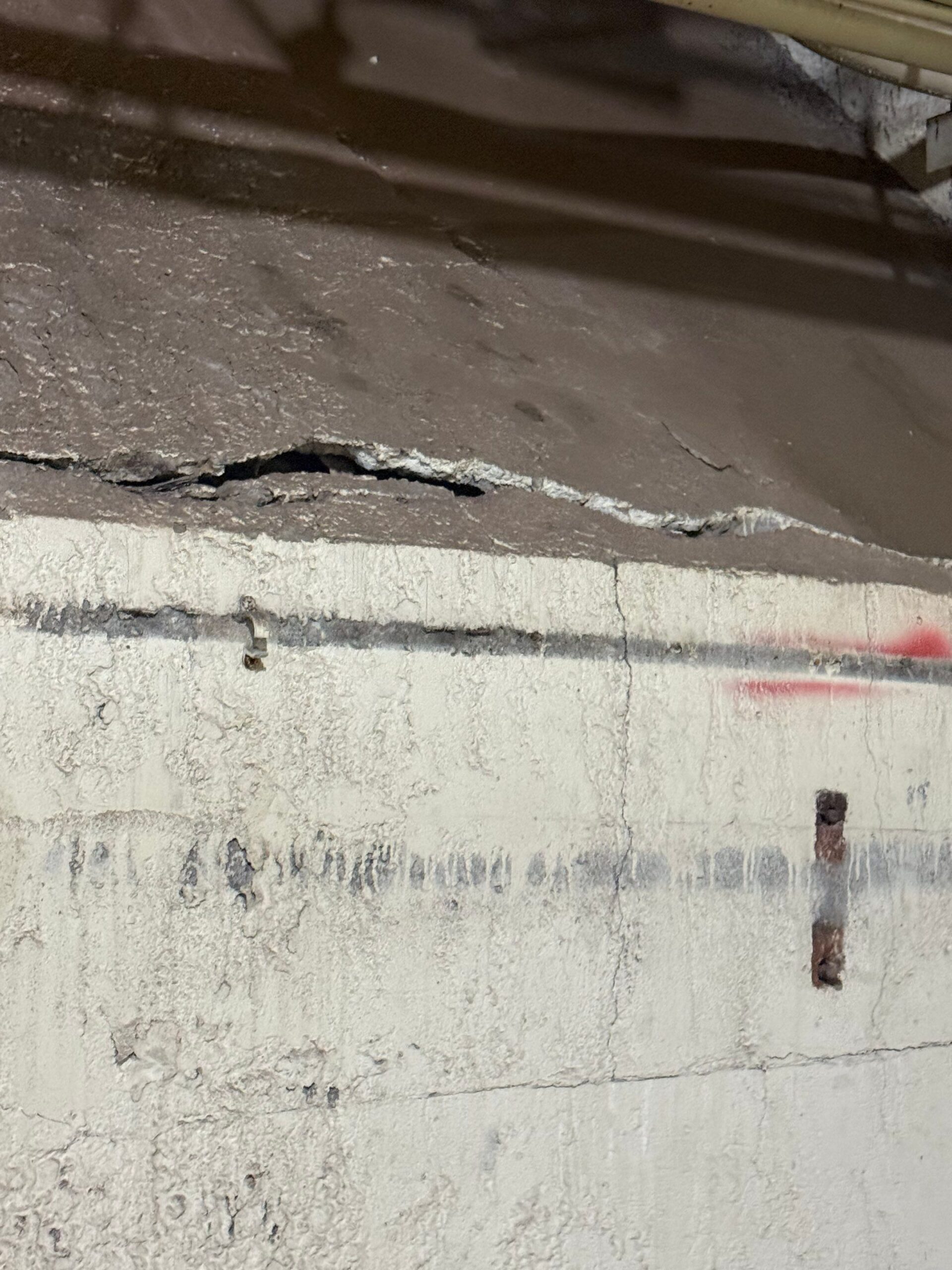
A hairline crack in a parking garage slab is a minor repair. Left alone through a Northeast winter, water gets in, freezes, expands, and turns that crack into a spall with exposed rebar. What started small now involves:
- Concrete removal and rebar treatment
- Structural patching
- A protective coating to prevent recurrence
- Potential lane or level closures during the work
The same pattern plays out on building facades. Cracked mortar joints let moisture behind the brick. Over time, that moisture corrodes lintels, loosens masonry units, and compromises the building envelope. Routine repointing becomes structural lintel replacement, brick removal, and full-section restoration.
This is not hypothetical. T.G. Basile recently completed a facade restoration project in Seaside Heights, NJ where coastal exposure had accelerated deterioration well beyond what the owner originally expected. The team developed a creative, structurally sound solution, but the scope would have been significantly smaller if the work had been done a few years earlier.
The Market Is Making It Worse
Deferring maintenance has always been expensive. In 2026, it is even more so.
A recent report from Yahoo Finance found that 70% of contractors have been directly affected by tariffs over the past year. Here is what that looks like in practice:
- Construction input prices have risen 2.8% overall
- Cement, steel, and aluminum are all under tariff pressure
- Material costs are being passed directly to project owners
- Projects are being scaled back or phased over longer timelines
The repair that costs X today will likely cost more in six months. And the longer the underlying damage progresses, the larger the scope becomes on top of those rising material costs. Waiting is a compounding problem.
Summer Is the Window (Especially for Facades)
Beyond the financial argument, there is a practical one. Many concrete and masonry repairs require specific weather conditions to perform correctly. In the Northeast, that window runs roughly from June through September.
Work that is best done in summer:
- Facade restoration: swing-stage work on occupied buildings requires consistent weather, and scaffolding logistics mean these projects need to start early in the season to finish before fall
- Parking garage restoration: structural concrete repairs perform best when temperatures are consistently above 50 degrees
- Surface prep and traffic coatings: membranes and coatings need warm, dry conditions to cure properly and bond to the substrate
- Sealant and mortar work: cold temperatures and humidity compromise quality and longevity
Summer is not just a convenient time to do this work. It is the right time to do it well.
What a Proactive Approach Looks Like
The difference between reactive and proactive maintenance is not just cost. It is control. Property owners who address issues on a planned schedule get to choose the scope, the timing, and the budget. Those who wait let the building decide for them.
A proactive approach starts with a thorough assessment:
- Where is water getting in?
- What is the condition of the concrete, rebar, mortar joints, and coatings?
- What needs to be addressed now versus monitored for the next cycle?
- What is the most cost-effective sequence of repairs?
T.G. Basile has been doing this work across NJ, NY, CT, PA, and the broader Northeast for over 50 years. The company pre-plans and engineers every project, identifying potential challenges before work begins. That approach has delivered more than 20,000 completed projects and over 1 million cubic yards of concrete poured.
Whether the need is a parking deck that is showing its age, a facade that is letting water in, or a tenant space that needs structural upgrades before a new lease, the process starts the same way: an honest assessment and a plan built around long-term performance.
The summer schedule fills up fast. Reach out to start the conversation.