



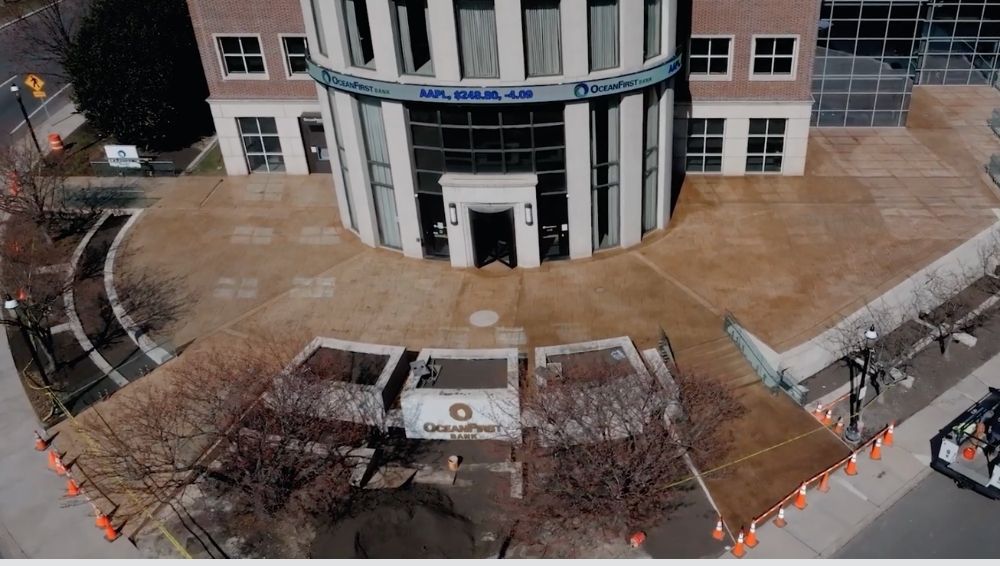
Whether you’re managing a parking garage, overseeing a commercial building, or planning new construction, understanding the risks of cold-weather concrete damage is the first step in protecting your investment.
Why is concrete vulnerable in cold weather?
As many of us know, concrete is porous. This simply means water can penetrate the surface. When temperatures drop below freezing, that water expands as it turns to ice. Over repeated freeze-thaw cycles, this expansion and contraction stresses the material, creating cracks and surface scaling as multiple freezing days, weeks, months, and years pass.
It’s not just brand-new concrete that’s at risk, either. Older slabs and structures, especially those with existing cracks or surface wear, are more vulnerable because they allow water to seep in more easily.
What types of damage are most common?
Structural concrete damage in the colder months does not affect a single construction application. It can be varied and present itself in different ways.
Here are the issues we most often encounter in the NYC and North Jersey area when concrete faces harsh winters:
• Cracking – Small hairline cracks may seem harmless, but in cold weather, they can widen as water freezes and expands. Over time, those cracks can compromise structural integrity.
• Surface scaling – Flaking or peeling of the top layer of concrete occurs when freeze-thaw cycles repeatedly disrupt the surface. This not only looks unsightly but reduces long-term durability.
• Spalling – Larger, deeper chips or breaks in the concrete surface. Often caused by freeze-thaw stress combined with heavy traffic or de-icing salts.
• Salt damage – De-icing chemicals can penetrate and weaken concrete, accelerating surface deterioration. Parking structures and walkways are especially vulnerable.
• Rebar corrosion – In reinforced concrete, cracks allow moisture and salt to reach the steel reinforcement. Rust expands inside the slab, creating even more cracking and weakening the structure from within.
As you’re inspecting your structure, if you ever think there could be possible signs of damage showing, always contact a concrete restoration professional to inspect. They can provide you a more thorough analysis of the problem and could help you correct an issue before it becomes larger and far more costly to remedy.
How does new concrete behave in cold weather?
Placing new concrete in cold conditions is particularly challenging. If it freezes before it cures properly, the hydration process slows dramatically, and the concrete never reaches its designed strength. That’s why professional crews use techniques like insulated blankets, heated enclosures, or specialized mixes with accelerators to help concrete cure safely even in colder months.
Can concrete damage be prevented?
Simply put, yes: most cold-weather concrete damage is preventable with proactive maintenance and proper construction practices. Building owners and facility managers can reduce risks by:
Sealing surfaces – High-quality sealants reduce water penetration and protect against salt exposure.
• Timely repairs – Addressing small cracks or spalls in the fall prevents them from worsening over the winter.
• Proper drainage – Standing water is the enemy of concrete in cold climates. Ensuring adequate drainage around slabs and structures is essential.
• Routine inspections – A fall inspection from a qualified contractor can identify vulnerabilities before cold weather sets in.
At T.G. Basile, we proudly offer some of the most thorough inspections in the North Jersey/NYC area. If you have not already scheduled an inspection for the fall, now is the best time to reach out to our team for an assessment.
What happens if you ignore concrete damage?
Left unchecked, even minor deterioration can escalate into major safety and financial issues. For example, a small crack in October can become a hazardous trip hazard by spring.
Spalling in a parking garage may also weaken load-bearing capacity, forcing costly repairs or even temporary closure. For property owners, what begins as a maintenance concern can quickly turn into liability exposure.
How does professional expertise make the difference?
Not all damage is obvious to the untrained eye. At T.G. Basile, our team is experienced in evaluating concrete under seasonal stress. We know where to look, what warning signs to flag, and how to recommend cost-effective solutions that extend the life of your structure.
Sometimes that means a simple sealant application or patching. Other times, it requires structural restoration, especially for high-traffic facilities like garages or commercial buildings. The key is early action—waiting until spring often means more extensive and expensive repairs.
Is it too late to act in October/November?
Absolutely not. In fact, fall is the best time to assess and repair concrete. The temperatures are cool but not yet freezing, making it ideal for applying protective sealants, repairing cracks, and reinforcing structures before winter stress begins.
Protect Now, Save Later
Concrete in cold weather faces unique challenges, but damage is not inevitable. With proper preparation and timely maintenance, you can extend the life of your concrete, protect your property, and avoid costly emergency repairs.
At T.G. Basile, we’ve been helping property owners and managers throughout the region safeguard their structures for decades. If you’re concerned about how your concrete will hold up this winter, now is the time to act.
Ready to protect your investment before the freeze sets in? Contact T.G. Basile to schedule an inspection or discuss a maintenance plan tailored to your property.